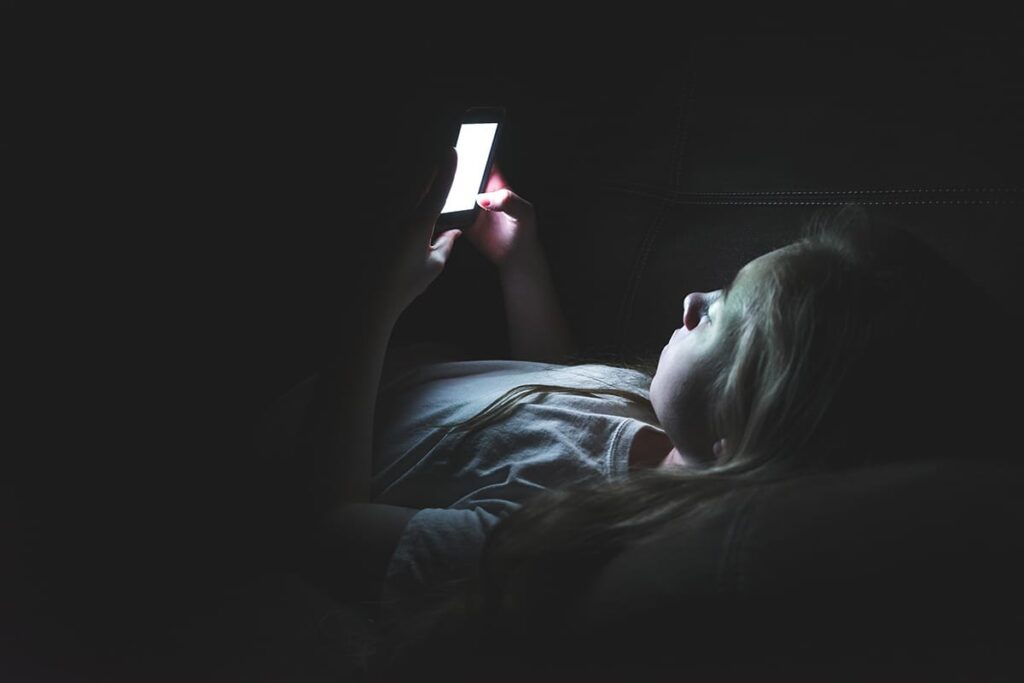
Parents often notice that something feels off before they know sleep is part of the problem. A teen may seem more irritable, checked out, anxious, unmotivated, or tired all the time, and it is not always obvious that lack of sleep could be playing a major role. School struggles, mood changes, trouble focusing, and low energy can all point in different directions, which is why many parents start researching sleep deprivation in teens in the first place. They are trying to make sense of what they are seeing, understand how serious it might be, and figure out what kind of support their teen needs.
What Is Sleep Deprivation?
Sleep deprivation is a serious issue that affects teens all around the world. Not getting enough good-quality sleep can lead to serious physical and mental health problems, as well as poor performance in school or other activities.
When is a Teen Considered Sleep Deprived?
A teen is generally considered sleep deprived when they regularly get less than the recommended 8 to 10 hours of sleep per night, especially if it is starting to affect mood, focus, energy, or daily functioning.
Why Teen Sleep Deprivation Can Be Hard to Spot
Sleep deprivation does not always look the way people expect. A teen is not always falling asleep in class or yawning all day. Sometimes the signs are much easier to misread.
A sleep-deprived teen may seem irritable, scattered, emotionally reactive, or checked out. To a parent, that can look like attitude, lack of effort, or loss of motivation. In reality, sleep may be playing a much bigger role than it seems.
How Sleep Deprivation Impacts A Teenager
Common ways sleep deprivation can show up in teens include:
- Irritability instead of obvious tiredness
- Trouble focusing instead of clear physical exhaustion
- Low motivation that looks like laziness
- Emotional ups and downs that seem out of proportion
- School struggles that look like an attention issue
- Withdrawal or shutdown that may look like a mood problem
That overlap is part of what makes sleep issues so confusing. The effects can look similar to anxiety, depression, burnout, ADHD, or everyday teen stress. That is one reason sleep is worth looking at early, especially when several changes seem to be happening at once.
Why Many Teens Don’t Get Enough Sleep
A lot of teens are not undersleeping because they do not care about rest. In many cases, their daily life makes healthy sleep harder than it should be.
For many teens, sleep gets pushed back by a mix of biological and lifestyle factors:
- Their internal body clock naturally shifts later during adolescence
- Early school start times still require them to wake up early
- Homework, sports, and activities take up evening hours
- Jobs, social plans, and family responsibilities can cut into rest
- Screen time can keep the brain stimulated later into the night
- Stress can make it harder to fall asleep even when they feel tired
This can create a frustrating pattern. A teen may not feel sleepy until late, struggle to settle down, then have to wake up before they are fully rested. Over time, that sleep debt adds up and starts affecting mood, focus, and daily functioning.
How Much Sleep Do Teens Need?
Most teens need more sleep than many families realize. According to Johns Hopkins, teenagers need about 8 to 10 hours of sleep each night to support healthy development, mood, focus, and physical health.
That number matters because many teens are functioning on much less. If a teen regularly gets only six or seven hours of sleep, that shortfall can add up quickly across the week.
The issue is not only one late night here and there. It is the pattern. When a teen is regularly not getting enough rest, the effects tend to show up in more and more areas of life.
How Short-Term Sleep Deprivation Affects Teens
Sleep affects much more than energy. For teens, it plays a major role in emotional health, academic functioning, decision-making, and overall well-being.
School Performance Slips
When a teen is sleep deprived, learning becomes harder. Focus drops. Memory gets worse. Problem-solving takes more effort. Even a bright, capable teen may start falling behind when they are consistently under-rested.
That can lead to missed assignments, poor test performance, slower thinking, and more frustration around school. In some cases, parents and teachers may start to wonder whether there is an attention or motivation problem, when poor sleep is actually a big part of what is going on.
Mental Health Symptoms Worse
Sleep deprivation does not cause every emotional struggle, but it can make existing ones harder to manage. Anxiety may feel more intense. Depression may feel heavier. Stress may become harder to recover from.
A tired brain has less room to cope. That means a teen may feel more reactive, more discouraged, and less able to handle everyday challenges. If a teen is already struggling emotionally, poor sleep can add another layer of strain.
More Impulsive Behavior and Decision-Making
Teens need sleep to think clearly and respond well under pressure. Without enough rest, impulse control gets weaker and frustration tolerance drops.
That may show up as:
- More arguments at home
- Riskier choices
- Trouble managing conflict
- Reacting before thinking
- Harder time sticking to routines
Negative Long-Term Effects of Sleep Deprivation on a Teen’s Brain
When sleep deprivation continues for a while, the effects can start to pile up. A teen may feel like everything takes more effort. Small tasks feel bigger. Stress feels harder to shake off. Confidence may start to drop if they feel like they cannot keep up.
This is often when parents start sensing that something deeper is wrong, even if they still are not sure sleep is part of it.
Diminished Mental Performance and Concentration
Without quality sleep, teens may find it difficult to concentrate or focus on their studies. Their brains may not be able to process information as quickly or effectively as if they were well-rested. This can lead to a decline in academic performance, especially in key situations such as exams and midterms. The consequences of sleep deprivation among students can derail long-term plans and goals.
Impaired Memory
Teens who do not get enough sleep are likely to suffer from memory lapses or forgetfulness. Without proper rest, the brain’s ability to recall and store information is significantly hindered, making it harder for teens to learn new topics or retain existing knowledge.
Reduced Social Skills
The behavioral effects of sleep deprivation can also lead to a decline in teens’ social skills. Without enough sleep, they may find it more difficult to interact with peers in positive ways or be able to handle conflicts calmly. This lack of socializing can further contribute to feelings of loneliness and isolation.
Greater Risk for Depression
Teens who do not get adequate rest are more prone to developing depressive symptoms. This is because sleep helps regulate hormones that maintain good mental health. A lack of sleep can cause these hormones to become imbalanced, thus leading to an increased risk of depression or other mood disorders.
Reduced Physical Health
Lastly, teens who don’t get enough sleep may experience a decrease in physical health. They may find it harder to stay active and have more difficulty recovering from injuries or strenuous physical activity. Moreover, they could be at a higher risk for developing certain illnesses due to their weakened immune system. The effects of sleep deprivation on physical health should not be understated.
How Parents Can Help Teens Build Better Sleep Habits
Better sleep habits usually do not come from one big change. They are more likely to improve when parents help create a routine that feels realistic, steady, and easier for a teen to stick with.
Keep Sleep and Wake Times Consistent
A regular sleep schedule helps the body know when it is time to wind down and when it is time to wake up. When bedtime and wake time change too much from one day to the next, it can make it harder for teens to feel tired at night and rested in the morning.
This does not mean every night has to be perfect. The goal is to keep sleep and wake times as consistent as possible, including on weekends, so your teen’s body is not constantly trying to reset.
Examples
- Aim for a similar bedtime each night
- Keep wake-up times within a reasonable range on weekends
- Avoid letting one late night throw off the whole week
Create a Wind-Down Routine Before Bed
Many teens go straight from homework, sports, scrolling, or stress into trying to fall asleep. That sudden shift can be hard on the brain. A short wind-down routine helps the body slow down and makes sleep feel more natural.
This routine does not need to be complicated. What matters most is that it helps your teen move out of stimulation and into a calmer state.
Examples
- Taking a shower
- Dimming lights
- Listening to calm music
- Reading something relaxing
- Doing the same few steps each night before bed
Reduce Screen Time Before Bed
Phones, tablets, and laptops can make it harder for teens to settle down at night. The content keeps the brain engaged, and the habit of scrolling can make it easy to lose track of time.
For many teens, this is one of the biggest obstacles to better sleep. That is why it helps to set limits that feel clear and realistic instead of relying on willpower at the end of the day.
Examples
- Putting the phone away 30 to 60 minutes before bed
- Charging devices outside the bedroom
- Avoiding social media or stimulating content late at night
- Using a regular alarm clock instead of a phone when possible
Make the Bedroom Better for Sleep
A teen’s sleep environment can either help them rest or make it harder to fall asleep and stay asleep. The bedroom does not need to be perfect, but it should feel calm, comfortable, and set up for rest.
Small changes can make a bigger difference than parents expect, especially if the room is bright, noisy, or full of distractions.
Examples
- Keeping the room cool and comfortable
- Using blackout curtains if outside light is a problem
- Cutting down on noise when possible
- Keeping the bed mainly for sleep instead of homework or scrolling
Watch Caffeine and Late-Night Snacking
Teens may lean on coffee, energy drinks, or soda when they are already tired, but that can make it even harder to fall asleep later. Heavy or sugary late-night snacks can also leave them feeling restless or uncomfortable at bedtime.
This is one reason sleep deprivation can become a cycle. A tired teen uses caffeine to get through the day, then has a harder time falling asleep that night.
Examples
- Limiting caffeine later in the afternoon and evening
- Watching for hidden caffeine in energy drinks and sodas
- Encouraging lighter snacks at night if they are hungry
- Noticing whether certain foods or drinks seem to affect sleep
Help Them Manage Stress Before It Hits Bedtime
A teen can feel physically exhausted and still have trouble falling asleep if their mind is racing. Worry, overthinking, and stress often show up most strongly at night when everything finally gets quiet.
If stress is part of the problem, helping your teen build calming habits during the evening can make sleep come easier.
Examples
- Talking through the next day earlier in the evening
- Writing down tasks instead of mentally holding onto them
- Practicing deep breathing or another calming exercise
- Leaving space at night to decompress instead of pushing straight through until bed
Keep the Conversation Supportive
If sleep has become a struggle, most teens already know they are tired. What they usually need is support and structure, not criticism. When parents lead with blame, teens may shut down or become defensive.
A calmer approach makes it easier to figure out what is getting in the way and what changes might actually help.
Examples
- Asking what bedtime usually feels like for them
- Talking about sleep as a health issue, not a discipline issue
- Focusing on patterns instead of one bad night
- Working together on small changes instead of trying to fix everything at once
Know When Better Habits Are Not Enough
Sometimes sleep improves with a better routine. Other times, the problem runs deeper. If your teen is still exhausted, cannot fall asleep, keeps waking up, or seems emotionally overwhelmed even after healthier sleep habits are in place, it may be time to look for more support.
That could point to anxiety, depression, burnout, or another issue that is making rest harder to get.
Examples
- Ongoing exhaustion despite enough time in bed
- Frequent insomnia or restless sleep
- Major mood changes along with sleep problems
- School or daily functioning getting worse
- Needing help from a doctor or mental health professional
What if Teen Sleep Deprivation Is Caused by Insomnia?
Sometimes a teen is sleep deprived not because they are staying up too late by choice, but because they genuinely cannot fall asleep or stay asleep. When that happens, it is important to look at what may be driving the insomnia.
For some teens, insomnia is tied to a larger mental health issue. Anxiety can keep the mind racing at night. Depression can disrupt both sleep quality and sleep schedule. Trauma, chronic stress, and emotional overwhelm can also make it hard for the brain and body to settle down enough to rest. In these situations, sleep deprivation may be one sign of a deeper struggle, not a standalone problem.
Better Sleep Habits May Help, But They May Not Be Enough
Healthy sleep habits still matter. A more consistent routine, less screen time before bed, and a calmer nighttime rhythm can all support better rest. But if a teen is dealing with insomnia tied to mental health, those changes may only go so far on their own.
That is because the issue is not always the routine. Sometimes the real barrier is anxiety, depression, or another emotional issue that is keeping the teen stuck in a state of stress or hyperarousal at night.
Treating the Underlying Issue Often Matters Most
If insomnia is being driven by a mental health issue, the most effective support usually involves addressing both the sleep problem and the emotional issue underneath it. That may include a doctor, therapist, psychiatrist, or sleep specialist, depending on what is going on.
When the underlying cause is identified and treated, sleep often improves too.
Find Support for Teens Struggling With Sleep and Mental Health
When sleep problems are tied to stress, anxiety, depression, or another mental health issue, better habits alone may not be enough. A teen may want to sleep, follow a routine, and still have a hard time falling asleep, staying asleep, or calming their mind at night.
Mental health treatment can help teens get to the root of what is disrupting sleep while also helping them build healthier daily habits. Through therapy and other forms of support, teens can learn how to manage stress, regulate emotions, quiet racing thoughts, and create routines that support better rest over time.
At Imagine by Northpoint, we help teens work through the emotional struggles that can fuel symptoms like insomnia while building skills that support healthier functioning day to day. With the right support, teens can develop better coping habits, improve sleep, and feel more steady in their daily lives. Contact us today to learn more about our mental health treatment programs.