
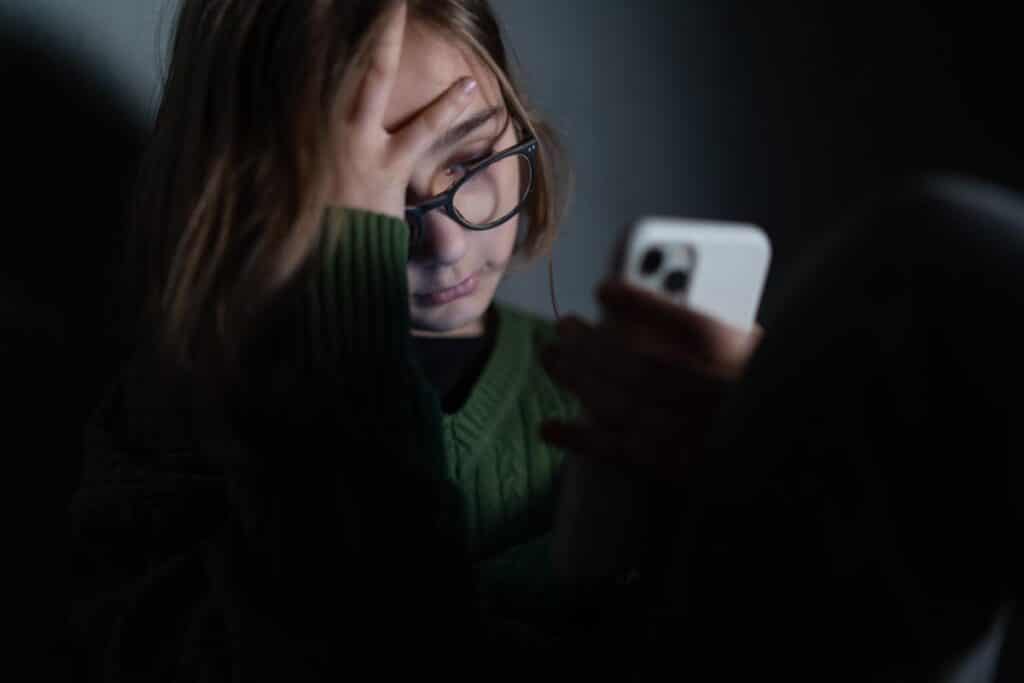
Teenagers today face constant pressure to fit in, succeed, and figure out who they are—all while their brains and emotional skills are still developing. Expectations come from many directions: school, family, peers, and social norms that are often amplified online.
Because teens are still building coping skills and self-confidence, many struggle to manage stress, rejection, or comparison. For some, this can increase the risk of depression, especially when those pressures feel nonstop or unavoidable.
Social media plays a growing role in how teens see themselves and the world around them. In this post, we’ll look at how social media can affect teen mental health, what parents should watch for, and how to support teens in healthier ways.
Can Social Media Cause Depression in Teens?
Social media doesn’t automatically cause depression, but certain patterns of use can increase emotional strain. Spending long periods scrolling, comparing themselves to others, or dealing with online conflict can wear down a teen’s self-esteem over time.
Research shows that heavy social media use (several hours a day) is linked to higher rates of depressive symptoms in some teens. That said, the impact isn’t the same for everyone. A teen’s mental health, personality, support system, and online experiences all play a role.
Compulsive Comparison Can Erode Self-Esteem
For some teens, social media creates pressure to look perfect or keep up with friends’ highlight reels. Over time, that pressure can lead to stress, sleep problems, and negative self-image — all symptoms that are linked to depression. Teens who already struggle with mental health may be especially sensitive to these effects.
Finding a Balance is Necessary
That said, social media isn’t always harmful. Many teens use it to connect with friends, find support, or explore their interests. The key is balance: when online time outweighs real-life connections, or when it leaves a teen feeling worse instead of better, it may be a sign of a deeper issue.
How Social Media Affects Teen Mental Health
Social media can shape how teens see themselves, their relationships, and even the world around them. While it offers some positives, the risks are real. Here are the main ways it can affect their mental health:
Constant Comparison
Teens often compare their everyday lives to the “highlight reels” they see online. Photos are filtered, moments are carefully chosen, and it can make a teen feel like everyone else has it better. Over time, this constant comparison can lower self-esteem, create feelings of inadequacy, and feed into depression or anxiety.
For adults, scrolling past a perfect photo can be easy to shrug off. For teens, it can land differently.
Imagine being 15 and seeing a steady stream of “everyone’s doing great” posts: clear skin, fun plans, close friend groups, people showing off new clothes, bodies, vacations, awards. Even when a teen knows it’s curated, their brain can still read it as proof that they’re behind.
A lot of teens start doing quick mental math without noticing:
-
“Why don’t I look like that?”
-
“Why wasn’t I invited?”
-
“Why is everyone else happier than me?”
Over time, that can chip away at confidence and make everyday life feel smaller and less exciting.
Cyberbullying and Online Harassment
In-person conflict usually has a break. Online conflict follows them home.
Picture a teen trying to do homework while a group chat is blowing up with jokes at their expense. Or they open an app and see a comment about their body, their voice, their clothes, their family. Even if they log off, they may replay it in their head because they know it’s still out there.
What makes online harassment hit so hard is the “audience” feeling. Teens often worry:
-
Who saw it?
-
Who screenshotted it?
-
Who’s laughing and pretending they didn’t?
That can create stress that feels constant, even when no one is actively posting in the moment.
Fear of Missing Out (FOMO)
Seeing friends hang out without them or missing an event can make teens feel excluded. Even if they were never going to be there, social media makes that absence visible. FOMO can increase feelings of loneliness, stress, and the pressure to constantly stay connected.
FOMO isn’t only about wanting to go to something. A lot of the time, it’s about what exclusion suggests.
A teen sees photos of friends at a hangout, and their brain can jump to:
-
“They didn’t want me there.”
-
“They’re closer without me.”
-
“I’m not really part of the group.”
Even small stuff can sting. A quick selfie at a lunch table can feel like a scoreboard of who belongs.
Adults often have more context and security. Teens are still building that. So one post can feel bigger than it looks.
Sleep Disruption
Late-night scrolling, responding to messages, or the urge to check notifications can cut into healthy sleep. Some doomscrolling affects include losing rest often feeling more irritable, stressed, and emotionally drained. Lack of sleep also makes it harder to handle challenges during the day, which can worsen anxiety or depression.
Some teens don’t stay up late because they’re having fun, but because it feels risky to disconnect. Others are subconsciously chasing the dopamine hit of getting on their phone — online, there is always something new to learn and content to consume. This creates a loop, as the dopamine motivates them to keep checking their phones and struggle to turn off their brains.
Unrealistic Standards
From beauty filters to influencers showing a “perfect” lifestyle, social media often sets standards that aren’t realistic. Teens may feel pressure to look or live up to those images. Over time, this can lead to body image issues, poor self-worth, or a sense that they’re not measuring up.
A teen isn’t only seeing models and celebrities anymore. They’re seeing classmates editing photos, using filters, and posting the best five seconds of their day.
That can turn “normal” into something that feels unacceptable:
-
Normal skin starts to feel like “bad skin”
-
Normal bodies start to feel “wrong”
-
Normal weekends start to feel “boring”
Adults know that social media isn’t real life. Most teens know this too, but it doesn’t stop them from feeling the dread that comes with seeing someone else look “better” or more popular or more everything than them. They know this person is just appearing to be a certain way, but that doesn’t change the fact that there are still these impossible expectations hanging over their heads.
Emotional Rollercoaster
For some teens, likes, comments, and shares can feel like a measure of self-worth. Getting a lot of interaction might boost their mood for a moment, but not getting it can bring them down just as quickly. This back-and-forth can create a fragile sense of confidence tied to social media feedback instead of inner strength.
For a lot of teens, likes and comments don’t feel like casual feedback. They can feel like a public vote.
A teen might post something and then spend the next hour checking:
-
“Did anyone respond yet?”
-
“Why did they view it but not like it?”
-
“Did I say something weird?”
When engagement is high, they feel relief. When it’s low, they may feel embarrassed or rejected, even if nothing “bad” happened.
And since teens are wired for social belonging, that swing can feel intense.
Signs Social Media May Be Hurting Your Teen
Not every teen will show the same signs, and none of these automatically mean “something is wrong.” However, if you’re seeing a pattern it can be a clue that social media is affecting your teen’s mood, confidence, or stress levels, especially if it’s getting worse.
Here’s what that might look like:
Mood Changes After Scrolling
Sometimes the biggest hint is what happens right after they put the phone down. If your teen seems noticeably worse after scrolling, it may be because something they saw made them feel left out, judged, worried, or “less than.”
You might notice:
-
They seem tense, snappy, or shut down right after being online.
-
Their mood drops after checking a certain app or person’s profile.
-
They start criticizing their looks, body, or life out of nowhere.
-
They get more anxious about school, friends, or “being embarrassing.”
Withdrawing From Family or Friends
If social media starts replacing real connection, teens can drift into isolation without meaning to. Some teens also pull away because they feel awkward, insecure, or like they don’t belong.
Look for:
-
They spend more time alone in their room than they used to.
-
They stop joining family meals, movie nights, or quick errands.
-
They cancel plans or avoid hanging out, even with close friends.
-
They seem “present but not really there” when they are with others.
Trouble Sleeping
Sleep issues can show up fast when a phone is always within reach. Even if they aren’t posting, late-night scrolling and notifications can keep their brain stuck in “alert” mode.
Some common signs:
-
They stay up much later than usual, even on school nights.
-
They wake up during the night to check messages.
-
They struggle to get up, seem exhausted, or nap after school often.
-
They’re more emotional, reactive, or overwhelmed during the day.
Declining School Performance
When social media takes up more mental space, school can start feeling harder. That can be from distraction, low motivation, poor sleep, stress, or feeling socially “on edge.”
You might see:
-
More missing assignments, rushed work, or late-night homework panic.
-
Grades dropping in classes that used to be manageable.
-
More complaints like “I can’t focus” or “I don’t care anymore.”
-
Teachers mentioning distraction, fatigue, or withdrawal in class.
Obsession With Likes and Followers
It’s normal for teens to care what peers think. The concern is when approval online starts driving their mood, confidence, or choices.
Examples include:
-
They delete posts quickly if they don’t get enough likes.
-
They check stats constantly or get upset about follower changes.
-
They seem anxious about posting “the right thing” or looking perfect.
-
They talk about their worth in terms of attention or popularity.
Loss of Interest in Other Activities
When social media becomes the main source of stimulation, hobbies can start to feel “boring” or not worth the effort. Sometimes it’s also a sign your teen’s motivation is slipping due to stress, low mood, or comparison.
Watch for:
-
They stop doing hobbies they used to enjoy, even low-effort ones.
-
They avoid sports, clubs, or activities they once cared about.
-
They only want to scroll in their downtime, even on weekends.
-
They seem restless or irritated when not on their phone.
Find Support to Restore Balance
Social media is a powerful tool, but for some teens it can become overwhelming and damaging to their self-esteem and mental health. If your teen seems weighed down by comparison, cyberbullying, or the pressure to keep up online, they don’t have to face it alone. With the right support, they can learn healthier ways to use technology, rebuild confidence, and reconnect with what matters most.
At Imagine by Northpoint, we help teens understand the impact of social media on their mental health and give them practical tools to manage stress, strengthen self-worth, and build real-life connections.
If your teen is showing signs that social media is taking a toll, we’re here to help them find balance, resilience, and a stronger sense of self.
Contact us today to learn more about our teen therapy programs and how we support healthy growth in the digital age.
FAQs About Social Media and Teen Depression
Can social media actually cause depression in teens?
Social media doesn’t directly cause depression on its own, but it can increase risk for some teens. Heavy use, constant comparison, online bullying, poor sleep, and pressure to fit in can all add emotional strain. Teens who already struggle with anxiety, low self-esteem, or stress may be more affected than others.
How much social media is too much for a teenager?
There isn’t a single number that fits every teen. What matters more than hours is how social media affects your teen’s mood, sleep, and daily life. If scrolling regularly leaves them upset, exhausted, distracted, or withdrawn, it may be time to reassess their use, even if their screen time doesn’t seem extreme.
Are some teens more vulnerable to social media’s effects?
Yes. Teens who are more sensitive, socially anxious, dealing with depression, or struggling with confidence may feel the impact more strongly. Teens who have experienced bullying, isolation, or major life changes can also be more vulnerable to negative online experiences.
Can social media ever be good for teen mental health?
For some teens, social media can offer connection, creativity, and a sense of belonging. It can help teens stay in touch with friends, explore interests, or find supportive communities. The key is whether it adds support or stress to their life. When it consistently leaves a teen feeling worse, that’s when concerns arise.
What should I do if I think social media is affecting my teen’s mental health?
Start with open, low-pressure conversations about what they’re seeing and how it makes them feel. Small changes like setting screen-free times, helping them clean up their feed, or improving sleep habits can help. If mood changes, withdrawal, or distress continue, professional support can provide guidance and relief.
Should parents monitor or restrict social media use?
Monitoring works best when it’s paired with trust and communication. Strict rules without conversation can backfire, while no boundaries at all can leave teens feeling overwhelmed. Many parents find success with clear expectations, regular check-ins, and collaborative limits that focus on well-being rather than punishment.
How can I talk to my teen about social media without starting a fight?
Approach the conversation with curiosity, not criticism. Asking what they enjoy online, what stresses them out, or how certain apps make them feel often leads to more honest answers. Teens are more open when they feel understood rather than judged.
When should I seek professional help?
If your teen shows ongoing sadness, withdrawal, sleep problems, loss of interest in daily life, or talks about feeling hopeless or worthless, it may be time to reach out for professional support. Getting help early can make a meaningful difference and prevent symptoms from becoming more severe.